
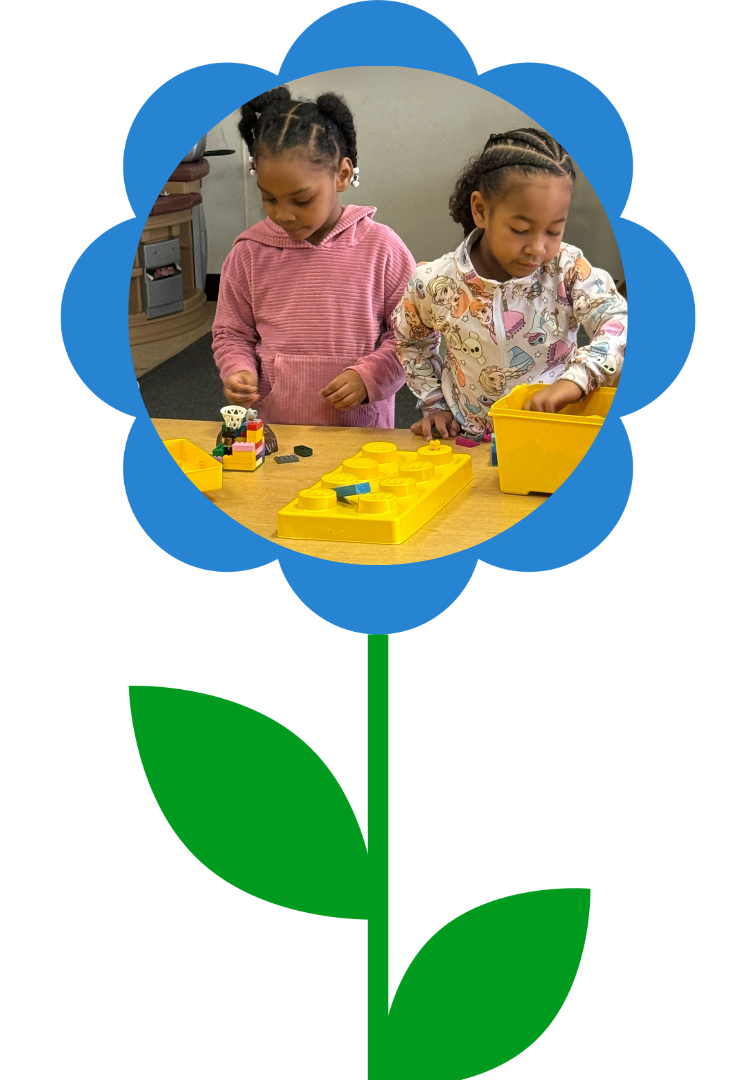
Play is often talked about as if it were a relief from serious learning. But for children, play is serious learning. Play is really the work of childhood.
What is Play-Based Learning?
Play-based learning is an educational framework that emphasizes learning through self-directed, open-ended play. Rather than sitting at desks and completing worksheets, children in play-based environments explore concepts like math, language, and social skills through hands-on activities.
Key Takeaways
- Play is the natural way children understand the world.
- It fosters cognitive, social, and emotional development simultaneously.
- Guided play allows educators to introduce academic concepts naturally.
The 4 Core Benefits of Play
1. Cognitive Development & Problem Solving
When a child builds a tower with blocks, they aren't just stacking shapes. They are learning about gravity, balance, and spatial relationships. If the tower falls, they learn cause and effect, and they practice problem-solving by figuring out how to make a stronger base next time.
2. Language and Vocabulary Expansion
Dramatic play (like playing "kitchen" or "doctor") is incredibly rich in language. Children naturally narrate their actions, negotiate roles with peers, and experiment with new vocabulary they've heard adults use.
3. Social and Emotional Skills
Play is where children learn to navigate complex social dynamics. They learn to share, take turns, resolve conflicts, and regulate their emotions.
| Type of Play | What it Looks Like | Skills Developed |
|---|---|---|
| Constructive Play | Building blocks, legos, sandcastles | Fine motor, spatial awareness, math |
| Dramatic Play | Dress-up, playing house, puppets | Empathy, language, storytelling |
| Physical Play | Running, climbing, dancing | Gross motor, coordination, health |
How We Implement Play at The Honey Tree
At The Honey Tree Preschool, our classrooms are designed around "centers"—specific areas dedicated to different types of play. Children can choose between the reading nook, the science table, the dramatic play area, or the art station. Our educators observe and gently guide the play, asking open-ended questions like, "What do you think will happen if we mix these two colors?"
By embracing play, we ensure that children not only learn the foundational skills they need for kindergarten, but also develop a lifelong love of learning.